
A reliable WiFi signal is essential to productivity and seamless connectivity in today’s world of digital. A key component in getting this to happen is the smart placement of the Wireless Access Point (WAP). The place of your WAP determines the strength and stability of the WiFi signal, therefore it is essential to position it in a way that is effective. Consider the importance of WAPs and how you can choose the right wireless access point within your home.
Wap Wireless access point is a vital networking device that lets wireless-enabled devices connect to networks wired through WiFi or any other standard. It is an essential device for expanding your network’s coverage and removing the requirement to use bulky cables. The WAP converts the data received from a router by using an Ethernet cable into a radio frequency. The radio signal can be recognized by WAP devices, which provide them with network connectivity. For more information, click Best Wireless Access Point
The WAP Placement Process and its Impact
It is crucial to position the WAP in a strategic location to ensure a reliable WiFi signal across your entire area. The positioning of the WAP could affect the strength of the signal, the range of coverage, as well as the overall performance of your WiFi network. The WAP’s optimal position helps to reduce interference, increasing coverage, and enhancing the experience of connectivity for users.
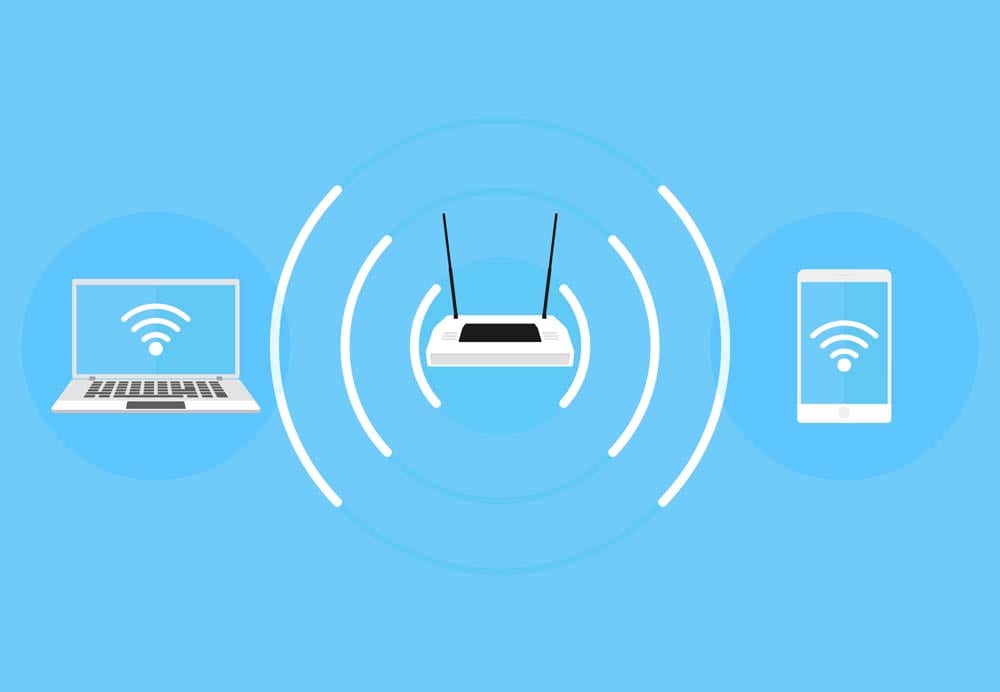
Factors affecting WAP signal strength
The WAP signal sent to your device can be affected by a variety of aspects. They include:
Signal strength is the potency of the signals transmitted by WAP.
Range: Distance that WAP can send a strong steady signal.
Interference Affects the WiFi signal: The presence of obstacles or electronic devices that could disrupt the WiFi signal.
Find the best home access point
A reliable WAP is necessary to have a high-performance WiFi network in your office or home. Here are some things to consider when choosing the best home access point:
Signal Strength and Coverage Select a wireless provider that provides a powerful signal and a large coverage area. This will ensure that the WiFi signal is available in the area you want to access without dead zones.
Select a WAP which features technologies to manage interference. It can be tri-band, dual-band, or other capabilities that let you navigate WiFi channels with a high volume of traffic.
Simple Setup and Configuration Select a WAP that can be set up and set up. Simplified installation processes and intuitive interfaces save time and effort.
Security Features: Give priority to WAPs with robust security options, such as encryption protocols as well as security options. This will help to protect your network and information.
Scalability: Make sure your WAP can handle the number of devices you intend to connect. A WAP that grows with your network’s demands, making it a future-proof investment.
Optimizing WAP Placement for Maximum Performance
Central Location: Place the WAP in a central location to ensure an even distribution of the WiFi signal across the area. This will reduce dead zones and guarantee that you have a constant connection throughout your building.
A higher elevation: Place the WAP at a higher level like the wall or ceiling. This can help broadcast the signal more efficiently as well as increase coverage and remove obstructions.
Preventing Interference – Make sure to keep your WiFi far from any gadgets or substances which could create interference. Examples include microwaves, cordless phones and steel structures. This will ensure a strong WiFi signal.
Professional Assessment: You may consider consulting IT experts to conduct an extensive assessment of your specific area. They will be able to identify the best WAP location locations based upon specific specifications.
The final sentence of the article is:
A solid WiFi connection in the ever-evolving world of technology is essential. Wireless Access Points are essential in this regard since they enhance your network and provide a stable WiFi connection. In order to achieve optimal WiFi performance, it is essential to put your WAP in a optimal location, and to choose the most reliable wireless network access point.
Investing time and effort into evaluating your space, understanding the factors that affect the strength of your WAP signal, and understanding the fundamental characteristics of a WAP could have a profound impact. It is possible to maximize the power of your WiFi network by mastering the art and science behind WAP placement.