
Hydraulic and pneumatic cylinders are both widely used in industrial systems to create motion and force, but they operate on different principles and are chosen for different reasons. Understanding the difference between these two technologies helps businesses select the most suitable option for performance, cost, and safety. While both systems perform similar tasks such as lifting, pushing, and positioning, the way they generate power, deliver control, and handle loads is very different.
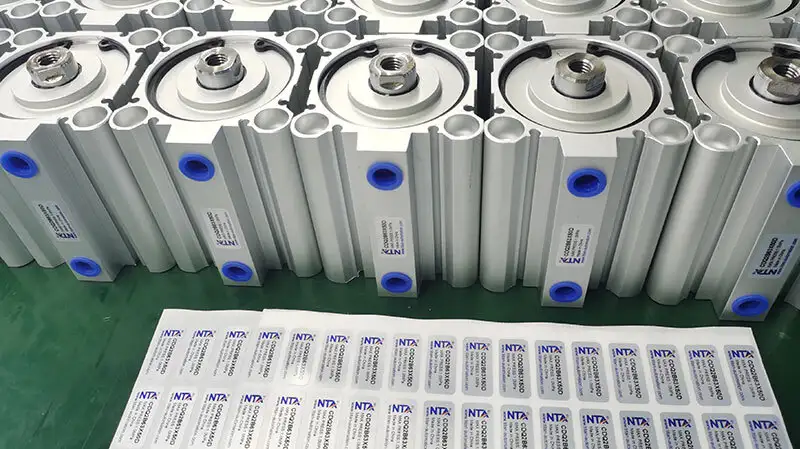
The most basic difference lies in the medium they use to operate. Hydraulic cylinders work with liquid, usually oil, while pneumatic cylinders rely on compressed air. Because liquids cannot be compressed easily, hydraulic systems can generate extremely high forces in a small space. This makes hydraulic cylinders ideal for heavy-duty applications such as construction machinery, metal forming, and large production presses. Pneumatic cylinders, on the other hand, use air that can compress and expand, which results in smoother but less powerful motion. This makes pneumatic systems better suited for fast, repetitive actions that do not require extreme force.
Power is another major difference. Hydraulic cylinders deliver much higher power output. They can lift heavy machinery and apply enormous pressure without losing performance. Pneumatic cylinders produce less force but offer quick movement and easier control. In environments where speed and efficiency matter more than pure power, pneumatics is often preferred. This is why packaging machines, automation systems, and assembly lines frequently use air-powered systems.
Control and precision also set these systems apart. Hydraulic cylinders provide steady and accurate motion under heavy loads, making them suitable for tasks requiring controlled lifting or pressing. However, they may respond more slowly than pneumatic systems. Pneumatic cylinders move faster and are easier to adjust, but fine positioning can be more challenging due to the compressibility of air. Modern control technology, however, has improved pneumatic precision considerably.
Maintenance and cleanliness are also important considerations. Hydraulic systems require regular checks for oil leaks and fluid replacement. Any leak can cause contamination, create safety hazards, or lead to system failure. Pneumatic systems are cleaner because they use air instead of liquid. If a leak occurs, only air escapes, reducing environmental risk. This makes pneumatic systems ideal in food processing, medical equipment, and clean-room environments.
Installation and running costs can influence the decision as well. Hydraulic systems are usually more expensive to install because of the heavy components, complex piping, and oil reservoirs involved. Pneumatic systems are simpler to install and often cheaper to maintain. Air compressors and basic tubing are usually all that is required, making pneumatics a cost-effective solution for many businesses.
Safety is another area where pneumatic cylinders have an advantage. Air-powered systems operate at lower pressures and do not involve flammable oils. This reduces the risk of fire or serious injury if a failure occurs. Hydraulic systems, although powerful, operate under very high pressure, which increases the risk if hoses burst or seals fail.
When choosing between the two, selecting the right manufacturer matters just as much as choosing the right system. A professional pneumatic cylinder manufacturer ensures precise engineering, durable materials, and reliable performance. Titan Automation is widely known for supplying high-quality pneumatic solutions to global industries. As one of the dependable pneumatic cylinder suppliers, the company offers custom designs, strict quality control, and ongoing technical support.
Hydraulic systems still dominate in areas that demand raw power, but pneumatic systems lead where cleanliness, speed, simplicity, and safety matter most. Understanding these differences allows businesses to make informed decisions that match their operational goals. In the end, the choice between hydraulic and pneumatic cylinders depends not on which is “better,” but on which is best suited to the job at hand.