
Businesses depend on connected devices heavily to collect information, streamline business processes and operate more efficiently. But managing a growing collection of devices spread across several locations can quickly become too much. Operations on devices require constant tech-savvy expertise and constant attention. From security compliance to performance optimization and software updates, all of them require constant attention. This is where a structured managed service model transforms the complex into simplicity.
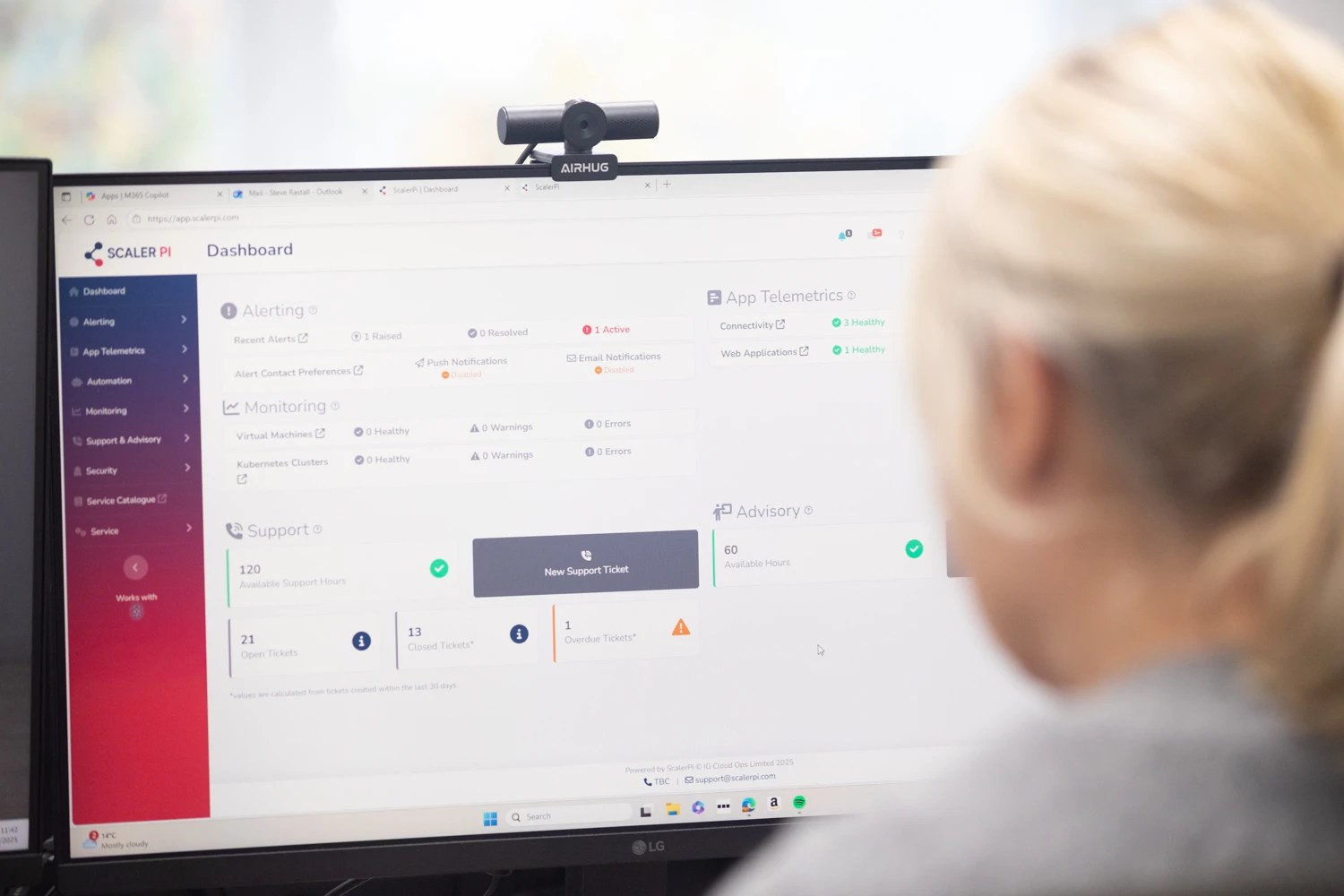
Organizations often begin their journey in search of Raspberry device management software at no cost alternatives to lower the initial cost. Although these tools are free and provide basic monitoring and remote access but don’t offer the required level of management for deployments that are enterprise-grade. With the growth of device networks, businesses require more than dashboards and manual control. They require an integrated system that can handle the provisioning process, security, performance monitoring, and compliance reporting automatically and consistently.
A well-managed infrastructure takes the burden of running a day-to-day operation of internal teams. Organizations can focus on innovation and growth instead of tackling issues, patching or responding to outages. Every device is configured and deployed within an operating framework that ensures the sameness and reliability. This operational model does not only minimize downtime, but also helps eliminate security risks that can be caused by faulty updates or incorrect configurations.
A Partnership Model for Scale
Highly successful IoT ecosystems are not built in an isolated manner. They require intelligent architecture and constant improvement. A Raspberry Pi partner with experience in design will make sure that the software, hardware, and system architecture are all aligned from the beginning with operational goals. Instead of viewing deployment as a one-time task, this partnership approach builds a scalable base that adapts to changing business requirements.
Every managed service agreement is customized to the client’s environment and covers hardware integration, device-management platforms as well as technical support in one agreement. This unification process eliminates the fragmentation of vendors and simplifies communications. Business benefits include named technical contacts, service level agreements and transparent reporting that keeps stakeholders informed, without adding the burden of administration.
Configuration and provisioning processes are standardized to ensure uniformity of the device across locations. Before deployment, every unit is assembled and tested. Then, it is securely registered to ensure consistent performance. Continuous telemetry provides engineers with real-time analysis of the device’s health and stability. This helps them identify system malfunctions and anomalies before they become serious.
Operational Excellence Through Continuous Management
Dependable IoT environments rely on proactive maintenance instead of reactive troubleshooting. Managed patches and updates ensure that the operating system and application remain safe. Updates are thoroughly tested before deployment to prevent disruptions, keeping uptime on distributed networks.
The requirements for compliance are built into the operational workflow. If organizations have to meet ISO standards, SOC2 frameworks, or internal guidelines for governance, reporting procedures are aligned with regulatory expectations. This streamlined oversight relieves stress on audits and enhances security measures.
Managed services are especially beneficial when they feature performance optimization and lifecycle management. Regular system checks identify the potential for hardware upgrades, improvements in energy efficiency, as well as workload balancing. Instead of waiting until devices stop working or are outdated, the infrastructure is built along with organizational growth.
Cloud and Edge Technologies seamlessly integrated
Modern deployments require a tight integration of edge hardware with cloud ecosystems. Expert Azure IoT consultants help companies connect devices securely to cloud-based platforms, while optimizing the workflow of analytics and automation capabilities. The synergy of physical infrastructure and cloud intelligence provides better decision-making and greater operational flexibility.
Professional IoT consulting also ensures that monitoring platforms, security protocols, and data governance frameworks work cohesively. Engineers are monitoring system performance throughout the day and take action to detect anomalies before they cause disruption to operations. Support options that scale allow companies to expand confidently, being confident that their technical knowledge grows as do their devices.
In simplest terms, the objective is to make the most advanced edge systems appear effortless. Scaler PI makes it much easier for edge technology to be adopted through the combination of practical hardware experience and modern cloud innovation. This creates a streamlined, unified environment where devices interact seamlessly with the data and processes.
Manage devices with greater efficiency
Managed Services provide a single accountability point for monitoring, design and assistance. Budgeting is streamlined with predictable pricing models. surprises, while continuous monitoring and automatic updates reduce the risk of operating. Businesses can rest assured that their infrastructure is functioning properly and in compliance.
As IoT ecosystems continue to grow and expand, the need for stable operating frameworks is going to become more critical. A well-managed service that is comprehensive will ensure devices remain reliable, secure, and future-ready that allow organizations to be innovative without being slowed by the management of infrastructure.